
A Flying Start
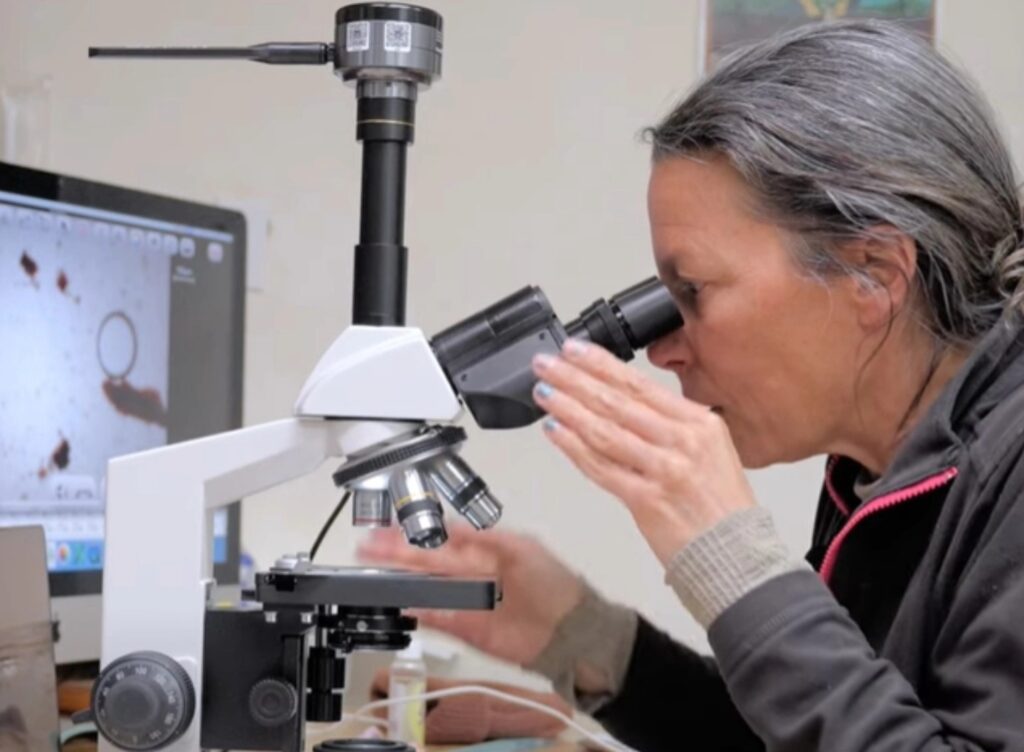 As a trained biologist and ornithologist, Monique can feel right at home nested at the center of scattered lab reports, field guides, binders, some microscopes, and slides. However, she’s happiest when she’s flown the nest to wander outside. She wants her bare toes squeezing river mud, her hair hot with sunshine.
“I have a really deep relationship with the planet. That’s what sustains me and restores me,” she explains.
That relationship spurred Monique to found her high school’s first environmental club. “I grew up in the malls of Wyckoff, New Jersey,” she recounts. “There was no environmental ethos there at the time. I remember getting laughed at when I said I didn’t want a bag when I shopped at the bookstore.”
Since then, she’s gone on to lobby for highway crossing corridors for mule deer and elk. She’s labored to restore endangered seabirds. She’s cupped sea turtle hatchlings in her hands and gently lowered them into the ocean.
Along the way, Monique has either founded or directed various nonprofit groups, advocacy arms, and unconventional businesses that all strive to protect and preserve nature.
“I started the Chama Peak Land Alliance,” she says. “It’s a unique private lands conservation organization that works on stewardship for a million-acre region in a pretty spectacular part of the San Juans.”
DiGiorgio also founded the Local First Foundation to advocate for local, independent businesses in La Plata County. With this bulb firmly rooted in the local business landscape, she helped cultivate local wellbeing offshoots such as the Good Food Collective, the Durango Creative District, and the Southwest Health Alliance. More recently, she has co-managed Table to Farm Compost (T2F), transforming a rather scrappy neighborhood initiative into a regional epicenter of organic waste upcycling.
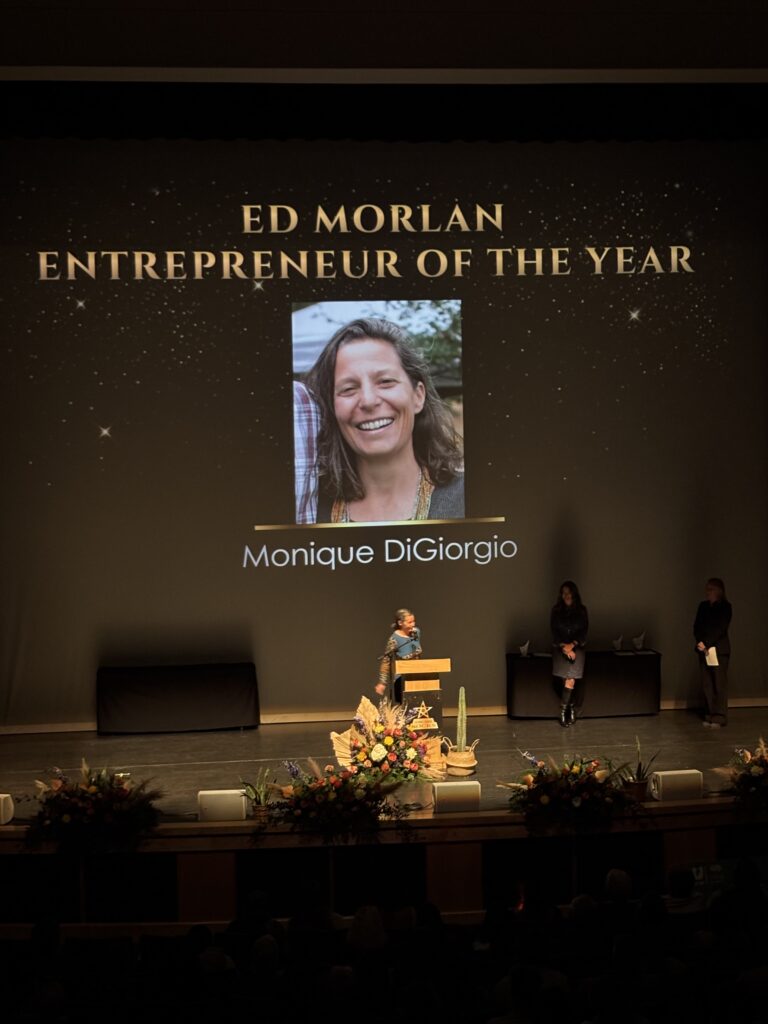
And it is for this legacy that the Durango Chamber Commerce recently awarded Monique the Ed Morlan Entrepreneur of the Year Award at the Southwest Colorado Rocks gala. Whether one creates a new business, is a well spring of new ideas, demonstrates vision, leadership, and ingenuity, this top honor celebrates figures in the local community who spearhead upswells of positive change.
“I thought it was spam,” Monique confesses, referring to the email she received from the Chamber of Commerce. “Oh yeah, right—like I’m the Entrepreneur of the Year.”
However, a phone call confirmed the facts: she had indeed garnered this feather in her cap. In particular, the selection committee wanted to recognize her contributions to Table to Farm’s growth, especially during phases of uncertainty.
Birds of a Feather
At the start of 2025, countless businesses, research centers, and agencies around the world found their federal funding suddenly frozen or erased. Such was the case for T2F—the money guaranteed by a massive grant was not gone, but it was also no longer dispensing.
“That really put us in a compromising situation,” Monique recalls.
Only a few years prior, T2F had miraculously survived the Queen’s Gambit of paperwork chess required to permit its 4-acre farm plot. “It was the first time anyone had ever permitted a compost facility in La Plata County,” Monique explains.
In the end, T2F received not only its permits, but also a Class III designation, making it the state’s 16th such facility at the time. The classification was crucial, enabling the company to scale its operations to process up to 18,600 cubic yards of decomposing food scraps.
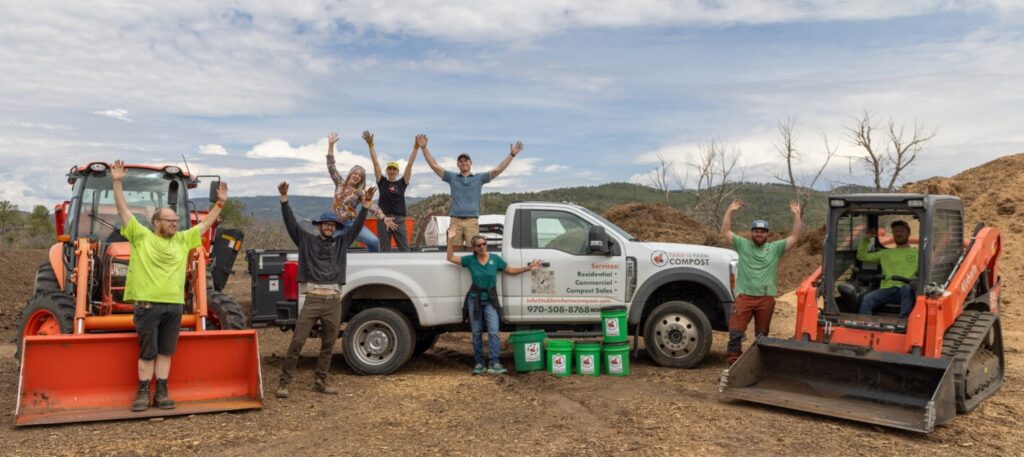 Photo credit: Andy Wingerd
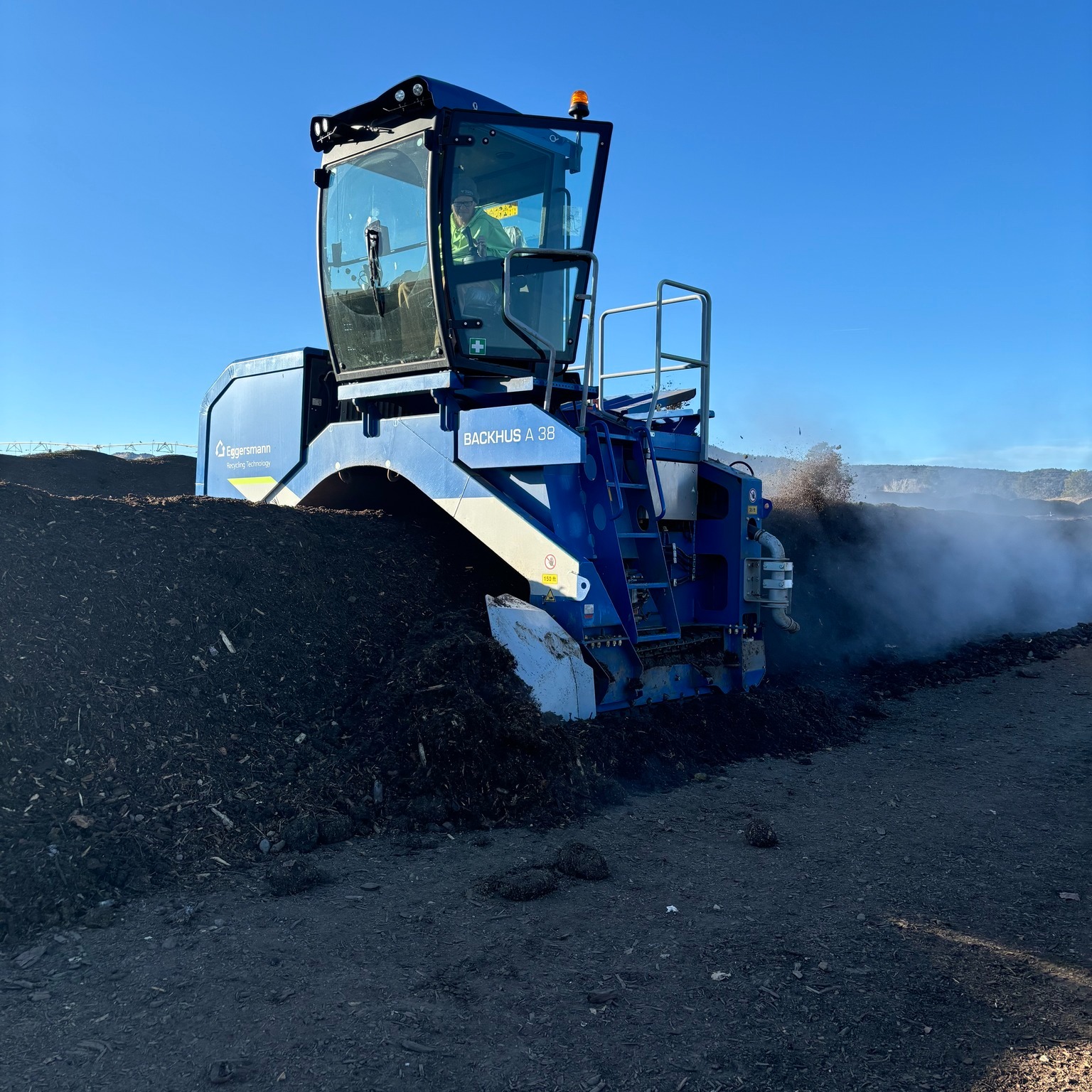
Although her leadership kept T2F on a steady course and her grant writing and fundraising skills garnered millions of dollars in equipment and infrastructure investment, Monique conscientiously acknowledges those who’ve flocked together to drive T2F’s ongoing success.
“David and Emily Golden started Table to Farm and I just wanted to keep it alive [when they moved away] because it’s such a great ecological force for the Durango community,” Monique notes, adding, “The entire team works so hard and brings so much passion to our mission. And, I couldn’t have done this without a business partner like Taylor [Hanson]. We’ve had to personally guarantee every single step and every dollar spent.”
Feathering the Nest
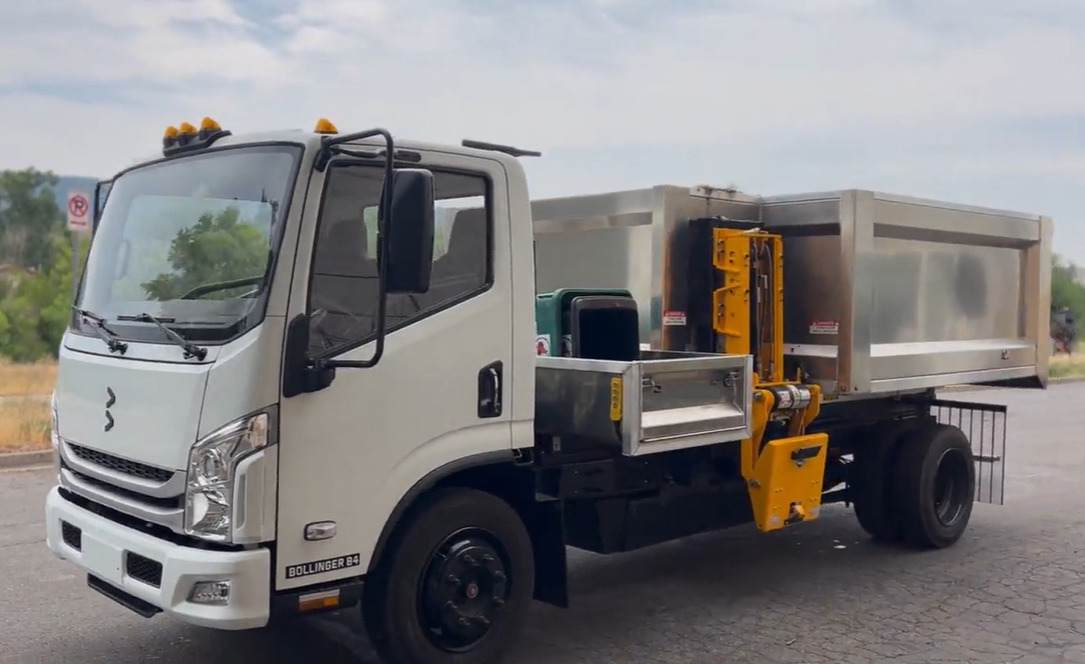
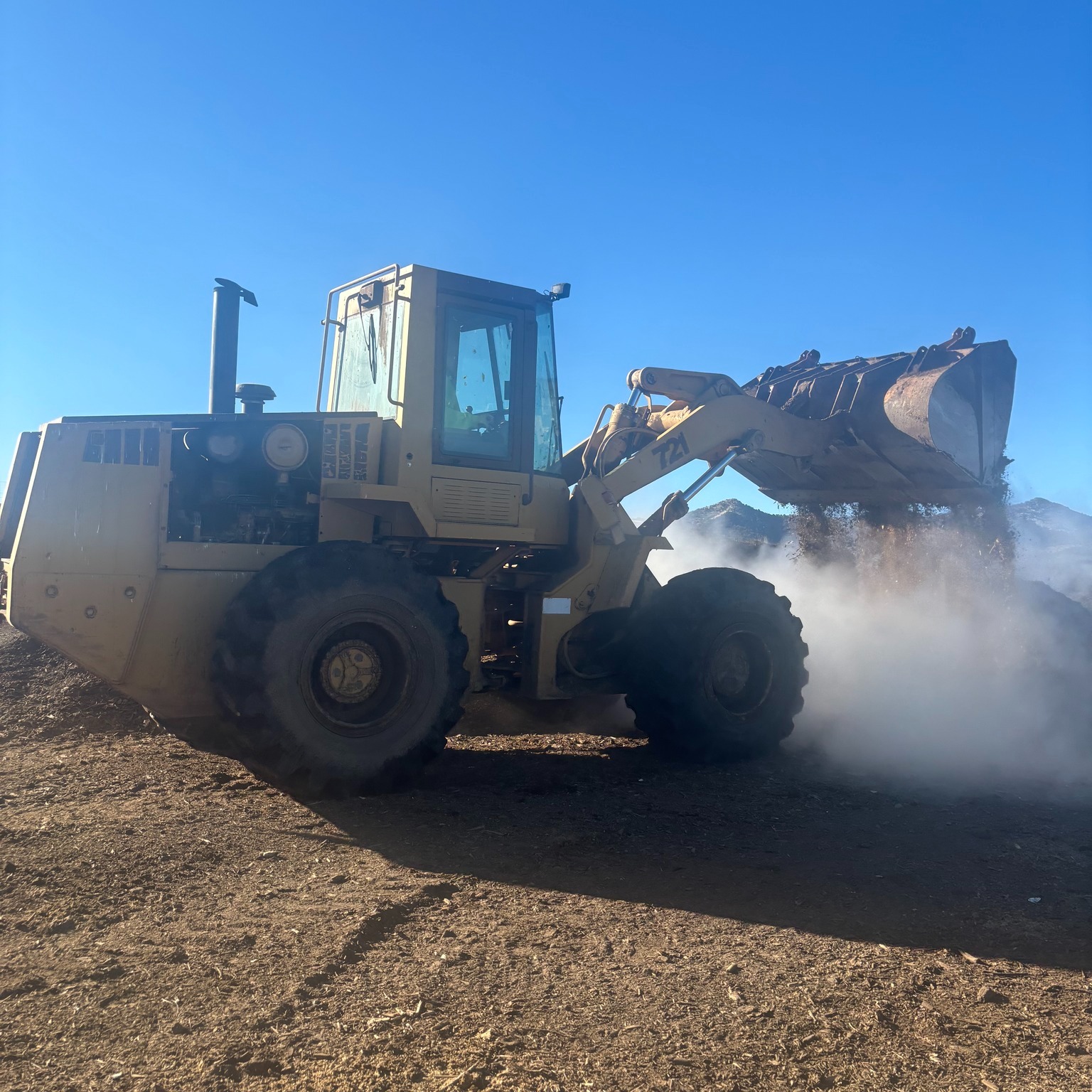
With 2026 marking Table to Farm’s 10th anniversary in operation, the company has a long list of triumphs checked off its bucket list. The farm is now solar-powered and its pickup fleet includes a solar-powered electric vehicle. Operations rest in the steady hands of two full-time experts, Jeremy Church and Martin Taylor.
And, procedural steps are currently underway within the City of Durango to eventually launch a bona fide en suite compost service combined with standard household waste removal across the entire community.
“The fact that [the Chamber] is highlighting Table to Farm is huge because this will help everybody understand what it would look like to have a community-wide composting initiative,” Monique says.
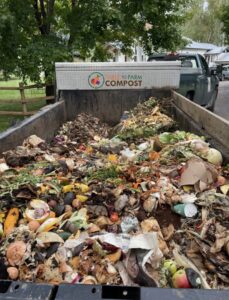 Most notably, residents could expect to see huge savings for extending the life of the Bondad Landfill. With 1,300 tons of organic waste trashed annually from Durango alone, the landfill is expected to hit maximum capacity by 2032 or sooner. While constructing single waste disposal cell can cost $2.5 million, purchasing the acreage of land comes with additional costs and challenges, including passing all environmental regulatory tests and the extra mileage slapped on garbage truck fleets transporting waste.
Monique reports that the shift to a food-free landfill proffers large-scale planetary benefits, as well. The 6.7 million pounds of food scraps that T2F has diverted already equate to 4,062 tons of carbon dioxide (CO2) emissions diverted from the atmosphere. By mixing compost into local soils on farms, or in landscaping, gardens, or oil and gas restoration projects, significant quantities of carbon are further sequestered while simultaneously boosting the quality of locally grown foods, increasing moisture retention, and mitigating stormwater runoff destruction.
“As a lifelong environmentalist, I saw composting and waste diversion as one of the biggest impacts I could make in my career,” Monique attests.
When asked if she’ll forego her beloved Chacos at the gala ceremony and, instead, don a real gown with high-heels, Monique laughs heartily. “I really don’t like having the spotlight on me,” she says. “And it’s not about me. It’s about the planet. And this community. We wouldn’t be where we are today without the people who support us by filling their buckets or calling the City or County to say how important composting is.”
Such sentiments are not at all surprising from a bird-lover who would rather feather her local nest with good causes.
Watch the tribute video: